Pain that begins in your buttock and shoots down the back of your leg is hard to ignore, and easy to mislabel. Sciatica and piriformis syndrome both irritate the same long nerve, so from the outside the symptoms can look almost identical. They start in different places, though, and they respond to different treatment. Stretching a tight muscle is not the same as calming an irritated nerve root, so it is worth working out which one you are dealing with.
Two conditions, one nerve
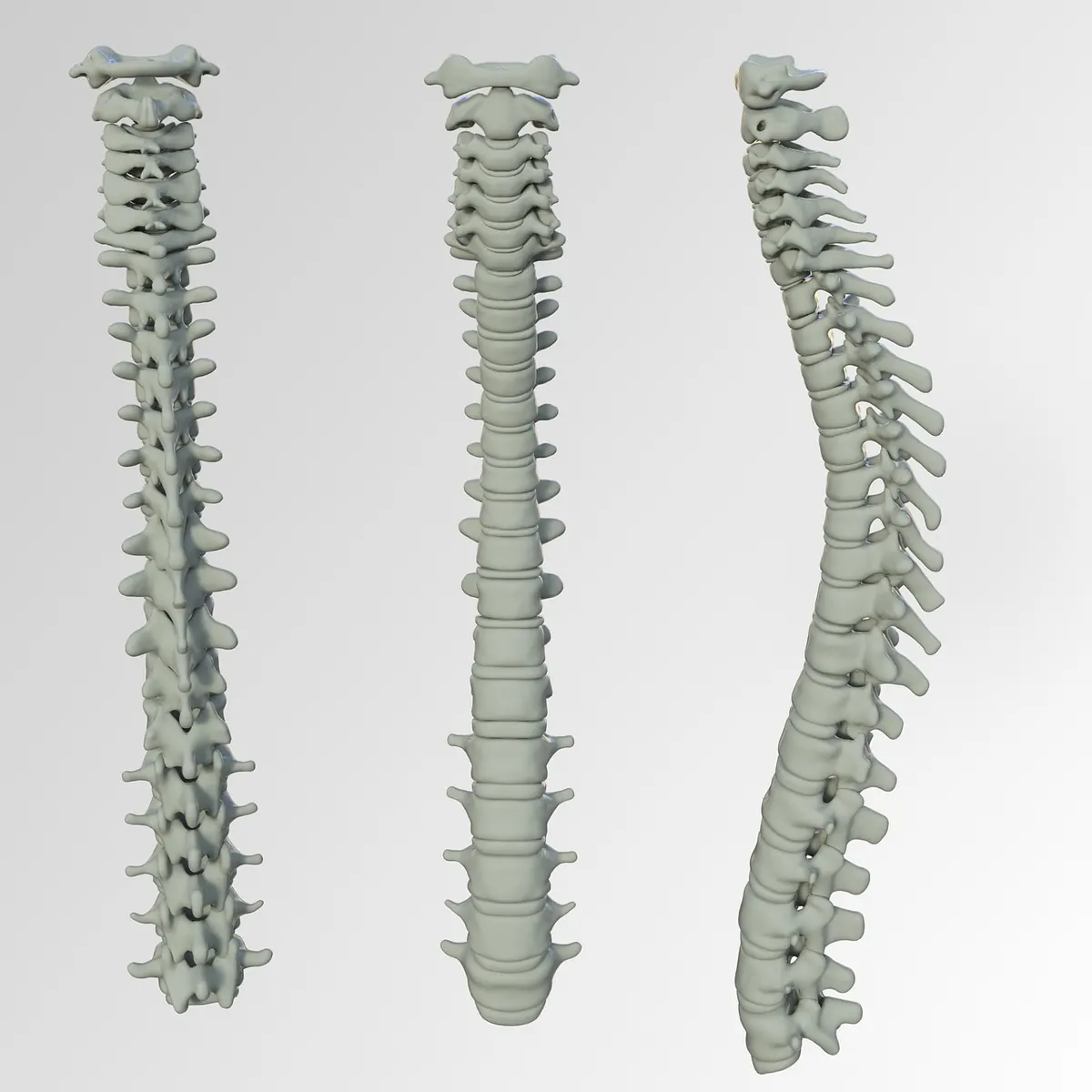
The sciatic nerve is the thickest nerve in the body. It forms in the lower back from several nerve roots, passes through the buttock, then runs down the back of the thigh and into the leg, branching as it goes.
Sciatica is the term used for pain radiating along that path, usually because a nerve root in the lower back is compressed or inflamed. A bulging disc is the classic cause, but spinal stenosis, a slipped vertebra or a narrowed exit canal can produce the same picture. Strictly speaking, sciatica is a symptom rather than a diagnosis in its own right.
Piriformis syndrome is a muscle problem. The piriformis is a small, deep muscle running from the lower spine to the top of the thigh bone, and it helps rotate the hip outwards. In most people the sciatic nerve passes just beneath it; in some, the nerve runs straight through the muscle. When the muscle tightens, spasms or swells, it can press on the nerve and mimic a spinal problem.
What sciatica typically feels like
The pattern tends to be fairly predictable, and it usually follows a line rather than sitting in one spot.
- Pain travels from the buttock into the back of the thigh, the calf, and sometimes into the foot or toes.
- It is usually one-sided.
- The quality is sharp, burning or electric rather than a dull ache.
- Numbness, pins and needles or tingling appear in a specific patch of skin.
- Weakness can show up as tripping, a foot that drags, or difficulty standing on tiptoe.
- Lower back pain is often present alongside the leg pain.
- Coughing, sneezing, straining on the toilet, sitting for long periods or bending forward tends to make it worse.
A clinician will often check your reflexes, test sensation in your feet and lift your straight leg while you lie on your back. If that lifting reproduces the pain down the leg, the spine is the more likely source.
What piriformis syndrome typically feels like
Here the pain sits deeper and rarely travels as far.
- A deep, aching or burning pain in the buttock, sometimes with a tender spot in the middle of the cheek.
- It may spread down the back of the thigh, but it usually stops at or above the knee.
- Long car journeys, sitting on a hard chair, climbing stairs, squatting or running tend to bring it on.
- Strength, reflexes and sensation are usually normal, because the nerve is being irritated rather than compressed at its root.
- Low back pain is often minimal or absent.
People often describe relief when they lie on their side with the affected leg rolled outwards, or when they get up and walk after sitting.
How to tell them apart
Nothing replaces a proper examination, but a few patterns are worth noting before you see anyone.
- How far does it travel? Pain reaching below the knee, especially into the foot, points more towards a spinal nerve root problem. Buttock and thigh pain that stops at the knee fits piriformis syndrome better.
- Is the back involved? Clear low back pain alongside leg pain suggests sciatica. Piriformis symptoms often stay in the hip and buttock.
- Are there true nerve signs? Consistent numbness, altered reflexes or weakness suggest nerve root involvement. Piriformis syndrome usually leaves those intact.
- What sets it off? Bending, lifting and coughing aggravate sciatica. Prolonged sitting, running and stair climbing aggravate the piriformis.
- Does pressing help you decide? Deep tenderness over the buttock muscle, or pain on resisted hip rotation, nudges the diagnosis towards the muscle.
Pain that travels below the knee is more likely to come from the spine than from a muscle in the buttock.
Why the two get muddled
Piriformis syndrome is partly a diagnosis of exclusion: clinicians rule out other causes first, because hip joint problems, spinal stenosis, facet joint pain and gluteal tendinopathy can all produce similar discomfort. Scans do not always settle it either. Plenty of people with a visible disc bulge have no leg pain at all, and plenty of people with buttock pain have a perfectly ordinary-looking scan. The two conditions can also occur together, which is why treatment sometimes needs to address both the spine and the muscle.
Warning signs that need urgent attention
Most leg pain from these conditions is not dangerous, but some symptoms need same-day assessment. Go to A&E or call 999 if you develop:
- Numbness around the groin, genitals or saddle area
- New difficulty passing urine, or loss of bladder or bowel control
- Weakness or numbness in both legs
- Rapidly worsening weakness, such as a foot that drags
Contact your GP urgently if leg pain follows a significant fall or injury, or if it comes with fever, unexplained weight loss, a history of cancer, pain that wakes you at night, or new leg symptoms appearing after the age of 50. None of these confirms anything serious, but they all need checking promptly.
Practical next steps
Start by writing down what you notice. Where does the pain begin, how far does it travel, is there numbness, what makes it worse, and what eases it? That record is genuinely useful to a GP or physiotherapist, who will examine your back, hips, reflexes and sensation.
- Keep moving gently within a comfortable range. Bed rest for days on end tends to make things stiffer, not better.
- Ease off anything that sends pain shooting down the leg. Nerve pain is a signal to back off, not to push through.
- Try short periods of heat or ice on the buttock or lower back, whichever feels soothing.
- Ask a pharmacist or GP about suitable pain relief, especially if you have other health conditions or take regular medication.
- Book a physiotherapy assessment if symptoms last more than a couple of weeks, keep returning, or limit your daily activities.
Rehabilitation for the two conditions overlaps but is not identical. Sciatica usually needs a plan that respects an irritated nerve root, while piriformis syndrome often benefits from targeted strengthening of the hip and gluteal muscles alongside hands-on treatment. A physiotherapist can tailor that to your examination findings, so you are not guessing. If in doubt about any symptom, particularly weakness or numbness, seek professional advice rather than waiting to see how it goes.
Photo: Kindel Media / Pexels