Your spinal canal is a bony tunnel only a centimetre or two across. It carries the spinal cord, the nerve roots that supply your legs and pelvic organs, and the fluid that cushions them. When that tunnel narrows, the nerves inside get squeezed — and that is spinal stenosis.
It is common from the fifties onwards, and it is usually far less alarming than the name suggests. But it does produce a very particular pattern of symptoms, and understanding what is happening inside the spine makes the treatment choices much easier to weigh up.
A short tour of the spine's central corridor
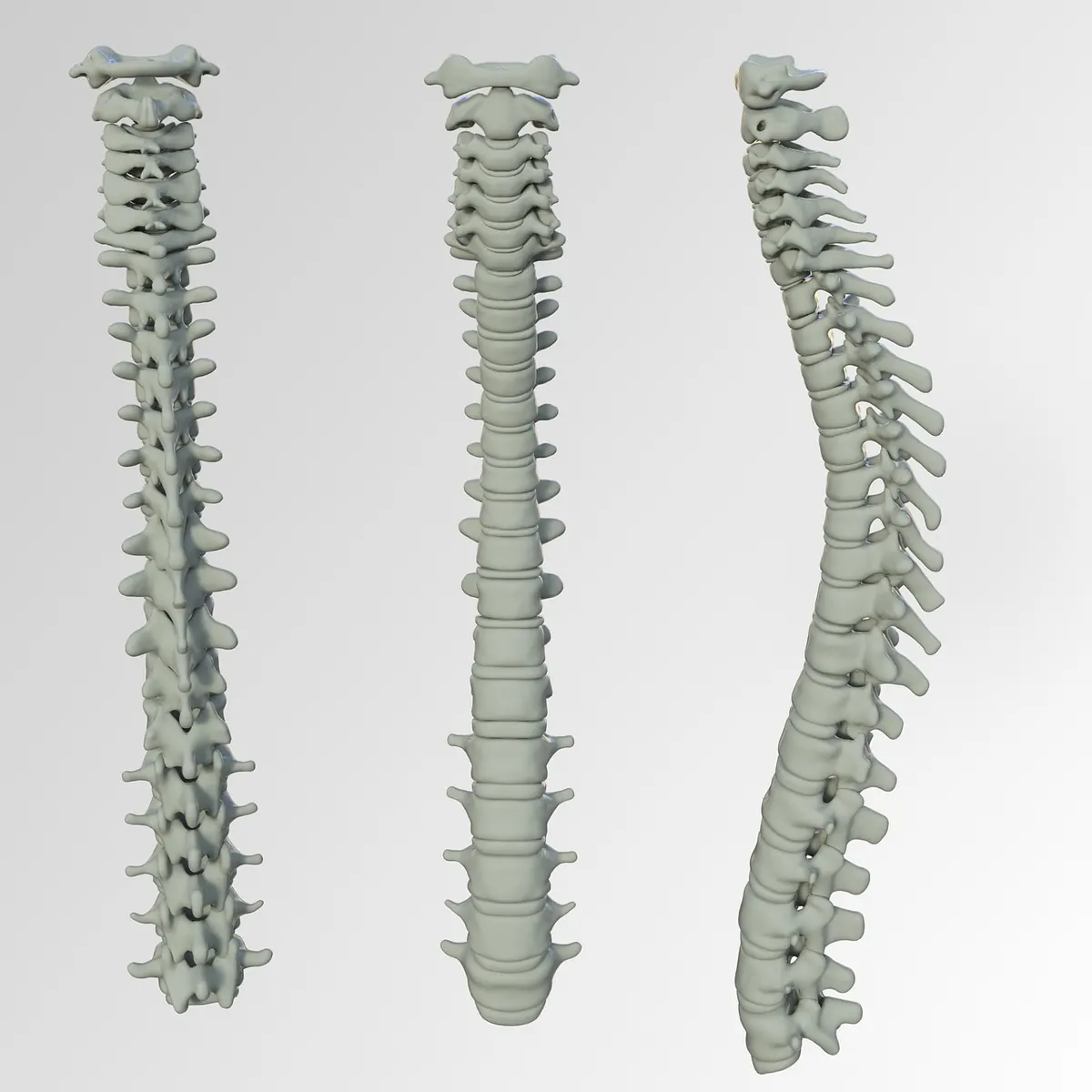
Your spine is a stack of vertebrae, each separated by a disc that acts as a shock absorber. Behind the main block of each vertebra sits a bony arch, and the space enclosed by that arch is the spinal canal. It runs the whole length of the spine, from the base of the skull to the tailbone.
Two soft structures line the canal. At the front, the discs. At the back, a band of elastic tissue called the ligamentum flavum. At each level, nerve roots peel off and exit through small side openings called foramina.
The spinal cord itself ends around the first or second lumbar vertebra. Below that, the canal carries a bundle of nerve roots that fan downwards like a horse's tail — the cauda equina — before heading out to the legs, bladder and bowel.
What actually narrows — and why it causes pain
Stenosis means narrowing, and in the spine it is usually the result of several gradual changes happening together:
- Discs lose height and bulge backwards into the canal as they dry out with age.
- Facet joints enlarge through osteoarthritis, in the same way a knee or hip can become knobbly and stiff.
- The ligamentum flavum thickens and buckles inwards, taking up space at the back of the canal.
Some people are also born with a canal that is naturally on the narrow side, which means less wear and tear is needed before symptoms appear. A vertebra that slips forward over the one below — spondylolisthesis — can narrow things further.
Where the narrowing sits matters. Central stenosis squeezes the whole canal at that level, which tends to affect both legs during walking. Foraminal stenosis pinches a single nerve root as it leaves the spine, so symptoms usually follow one leg in a fairly predictable strip.
One detail explains a lot of the behaviour of stenosis: bending forwards opens the canal slightly and takes pressure off the nerves. Standing upright and walking narrows it. That is why leaning on a shopping trolley or resting over a bike handlebar so often brings relief.
Symptoms: what spinal stenosis feels like
Back pain may be surprisingly mild, or absent altogether. The giveaway is usually in the legs:
- Aching, heaviness or cramping in the buttocks, thighs or calves that builds up with walking or standing.
- Relief within minutes of sitting down, crouching or leaning forward.
- Tingling, numbness or a cold sensation in part of a leg or foot.
- Weakness, tripping, or a foot that slaps rather than rolls.
- Distance walked shrinking over months, so trips out become carefully planned.
It is worth separating this from cramping caused by poor circulation in the leg arteries, which is also common in the same age group. Vascular cramps typically ease when you simply stand still, and the leg may look pale or feel cold, with weak pulses. Stenosis cramps usually need you to sit or bend forward before they settle.
Seek urgent same-day assessment if you develop numbness around the saddle area, new difficulty passing urine or controlling your bowels, or weakness in both legs. These can indicate cauda equina syndrome, which needs prompt attention.
Why it develops
Most cases are degenerative: decades of ordinary use gradually remodel the joints, discs and ligaments. Age is the biggest factor, but family history, smoking, a higher body weight, previous spinal injury or surgery, and physically demanding work all seem to contribute.
Far less commonly, stenosis can follow a fracture, an infection or a tumour in or around the spine. Those possibilities are part of why a proper examination matters rather than assuming the answer is wear and tear.
It is also worth knowing that scans frequently show narrowed canals in people with no symptoms at all. What matters is not the picture alone, but how your history, examination and imaging fit together.
Getting a clear diagnosis
A clinician will ask how far you can walk, what eases the symptoms, whether they affect one leg or both, and whether your balance or bladder control has changed. The examination usually covers your gait, reflexes, muscle strength, sensation in the legs and straight leg raise.
MRI is the usual imaging choice because it shows nerves, discs and ligaments clearly. X-rays can be useful for alignment and movement, and CT or nerve conduction studies are occasionally needed. Keep a simple diary of your walking distance and what relieves the pain — it is genuinely useful evidence.
Treatment pathways
Non-surgical care
Most people start here, and many manage well without an operation. Physiotherapy aimed at strengthening the core, hips and legs, plus guidance on pacing activity, is the backbone. Keeping weight in a comfortable range reduces load through the spine. Pain relief may include paracetamol, anti-inflammatory medicines, or nerve-pain medicines such as gabapentin or pregabalin, always discussed with a prescriber because of side effects and interactions.
Injections
An epidural steroid injection places anti-inflammatory medicine near the compressed nerves. It can calm a flare and buy time for rehabilitation, though relief is often partial and temporary. Injections around the facet joints or specific nerve roots can also help confirm which level is causing trouble.
Surgery
Decompression surgery — usually a laminectomy — removes the bone and thickened ligament that are pressing on the nerves. If there is instability or a slipped vertebra, a surgeon may also fuse that segment. Surgery is generally considered when symptoms substantially limit your quality of life and a reasonable course of non-surgical treatment has not helped. Recovery times vary widely, and it is worth asking about risks, expected benefit and what happens if you wait.
Whatever route you take, discuss the options with a clinician who has examined you. Spinal stenosis is a mechanical problem, and the right plan depends on your symptoms, your scan and what you need your back to do.
Everyday habits that make a difference
Small adjustments often add up to a noticeable gain:
- Stay active. Resting for weeks tends to stiffen and weaken everything. Choose flexion-friendly exercise such as cycling, swimming, water walking or using an elliptical trainer.
- Shorten your stride. Taking smaller, slower steps keeps you more upright for less time and can extend how far you walk.
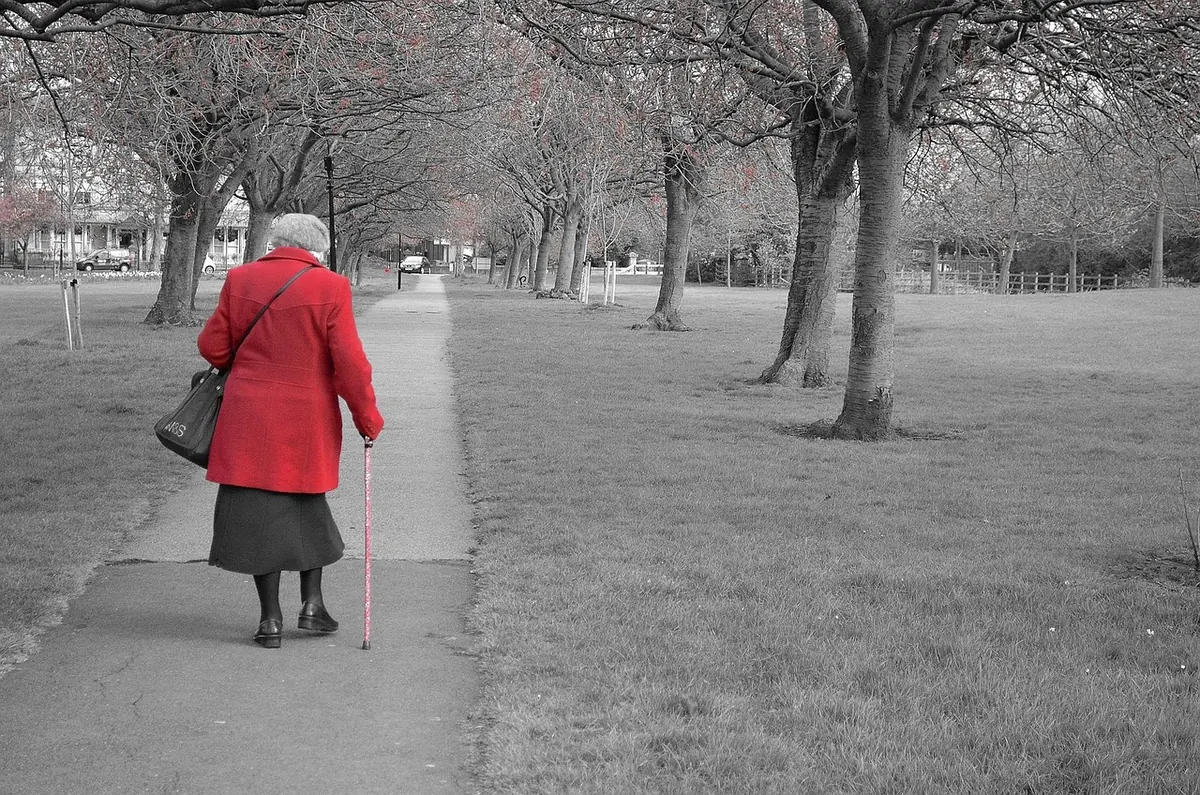
- Plan your route. Benches, rails and shops to lean on turn a difficult walk into a manageable one. A walking pole or trolley can work wonders.
- Break up standing. Long periods upright in a queue or at a workbench are often worse than walking.
- Build strength. A physiotherapist can tailor a programme for your glutes, core and calves, and check your walking pattern.
- Sleep comfortably. A pillow under the knees when on your back, or between the knees when on your side, can ease overnight aching.
Track what helps and what does not, and bring that to appointments. If your symptoms change — particularly bladder, bowel or saddle sensation — get medical advice the same day rather than waiting for a routine review.
Photo: kalhh / Pixabay