If you have ever been told to strengthen your core after a spell of back pain, the advice can feel maddeningly vague. Which muscles? How hard? And what happens if the very act of picking up a weight makes you flinch? Supporting your spine does not require heavy barbell work or a gym membership. A handful of slow, controlled movements, practised a few times a week, can change how your back copes with the ordinary business of living — bending to tie a shoelace, carrying the shopping, sitting through a long meeting without shifting every two minutes.
Think of what follows as a set of principles rather than a fixed programme. Start gently, keep it dull, and let consistency do the work.
Why strength training helps a healthy spine
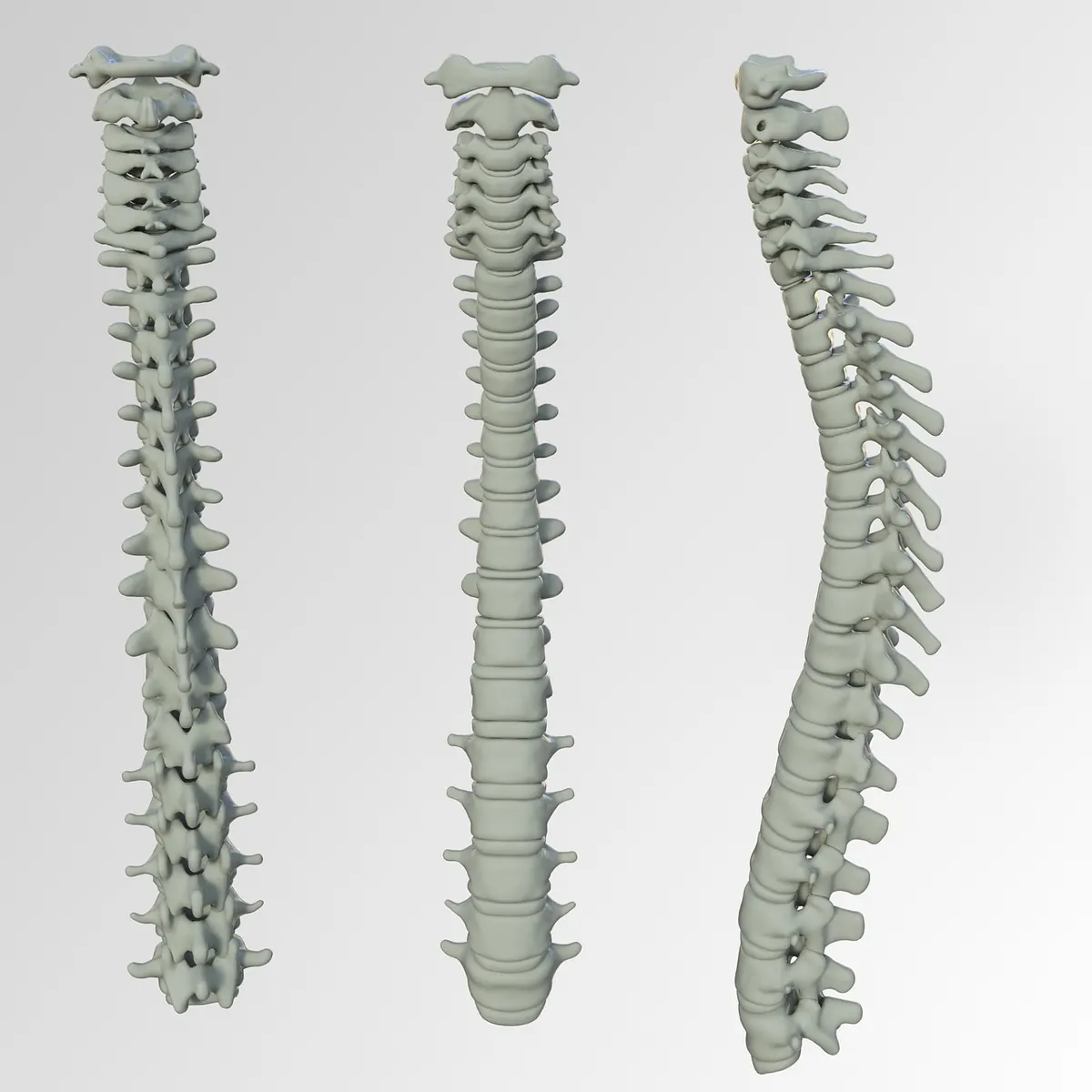
Your spine is a stack of bones, discs, joints and nerves, held together and moved by muscle. Those muscles do two jobs: they create movement, and they share the load. When they are weak or unused to working, more of the strain of everyday movement lands on the passive structures — discs, ligaments, joint surfaces — which have far less capacity to adapt.
Strengthening will not "fix" a disc or put anything back in place. What it does is raise your tolerance for movement. Muscles that are used to working can handle more before they start to complain, and that margin is what keeps a twinge from becoming a fortnight of misery.
Before you begin
If your back pain is new, severe, or comes with numbness, tingling or weakness in a leg, or changes to bladder or bowel control, speak to a doctor or physiotherapist before starting any exercise programme. The last of those needs urgent attention. If you have a diagnosed condition, or you have recently had surgery, have your plan checked by a clinician who knows your history.
For everyone else, a few sensible ground rules:
- Exercise should feel controlled, not brave. A mild ache that settles within a few minutes is usually acceptable; sharp, shooting or numbing pain is a signal to stop.
- Do not push into pain to "get through it". Muscle fatigue is the goal; joint pain is not.
- Start with body weight. Load comes later, and only when the movement feels easy and repeatable.
- Little and often beats one heroic session. Three short sessions a week will do more than a single long one.
Five exercises to start with
Glute bridge
Lie on your back with knees bent, feet flat and hip-width apart. Tilt your pelvis very slightly so your lower back softens towards the floor, then press through your heels and lift your hips until your body forms a straight line from knees to shoulders. Hold for two seconds, lower slowly. You should feel this in your backside, not your lower back.
Bird dog
On hands and knees, wrists under shoulders. Reach one arm forward and the opposite leg back until both are level with your body, keeping your hips square and your spine long. Imagine balancing a cup of tea on your lower back. Return, swap sides. Slow beats far.
Dead bug
Lie on your back, arms up, knees bent at ninety degrees. Gently flatten your lower back towards the floor, then lower one arm and the opposite leg towards the ground without letting the back arch. Stop before the arch appears. Return and repeat on the other side. If your back lifts, reduce the range.
Side plank from the knees
Lie on your side, elbow under your shoulder, knees bent behind you. Lift your hips so your body forms a straight line from knees to head. Hold for ten to twenty seconds, breathing normally, then swap. This works the muscles along the side of your trunk without loading your spine directly.
Hip hinge practice
Stand with feet hip-width apart, a broom handle held against your back so it touches your head, upper back and tailbone. Keeping those three contact points, push your hips backwards and let your torso tip forward, knees softly bent. Stop when you feel a stretch at the back of the thighs, then stand by squeezing your glutes. This teaches the pattern you use every time you pick something up.
How to build a session
Fifteen minutes is plenty to begin with. A simple shape looks like this:
- Three to five minutes of easy movement to warm up — walking, marching on the spot, a few slow cat-cow rounds on all fours.
- Two sets of six to ten slow repetitions of each exercise, resting as needed between sets.
- Finish with two minutes of easy breathing on your back, knees bent, noticing whether your back feels better, worse or the same.
Do this three times a week on non-consecutive days, and keep a short note of how each session felt. That note is more useful than any app.
Common mistakes
- Chasing reps. Ten slow, precise repetitions beat thirty rushed ones. If you cannot keep the movement clean, you have done enough.
- Holding your breath. Breathe out on the effort. A clenched, breath-holding stomach usually means the movement is too hard.
- Adding load too soon. Spend a few weeks comfortable with body weight before you pick up a dumbbell.
- Ignoring the rest of the week. Walking, carrying, gardening and stairs all count. A resilient spine is built by daily use, not by fifteen minutes on a Tuesday.
Progression, and when to hold back
Once two sets feel genuinely easy, add a third before you add anything else. When three sets feel easy, make the movement harder: slow the lowering phase to four seconds, lengthen the hold, or introduce a light weight or resistance band. Change one thing at a time, so you know what caused a flare-up if one happens.
Flare-ups do happen, and they are not proof that you have broken something. If your back is sore the day after a session, ease back to the level that felt comfortable, keep moving gently, and rebuild from there. If pain is worsening week on week, or you are losing ground rather than gaining it, see a physiotherapist.
Your first four weeks
Week one: learn the movements, one set each, and stop while everything still feels easy. Week two: two sets, still body weight, still slow. Week three: add a third set if two felt straightforward. Week four: increase the holds on the bird dog and side plank, and slow the glute bridge right down.
That is a modest plan on purpose. The aim in the first month is not strength so much as confidence — proof that your back can tolerate movement, that a session does not have to hurt, and that a short, unexciting routine is something you can actually keep doing. Build that habit, and the strength follows.
Photo: scottwebb / Pixabay